Perspective
RetailAI agents are changing how shoppers choose
When an assistant narrows the options, a brand has to win the shortlist before it wins the shopper.
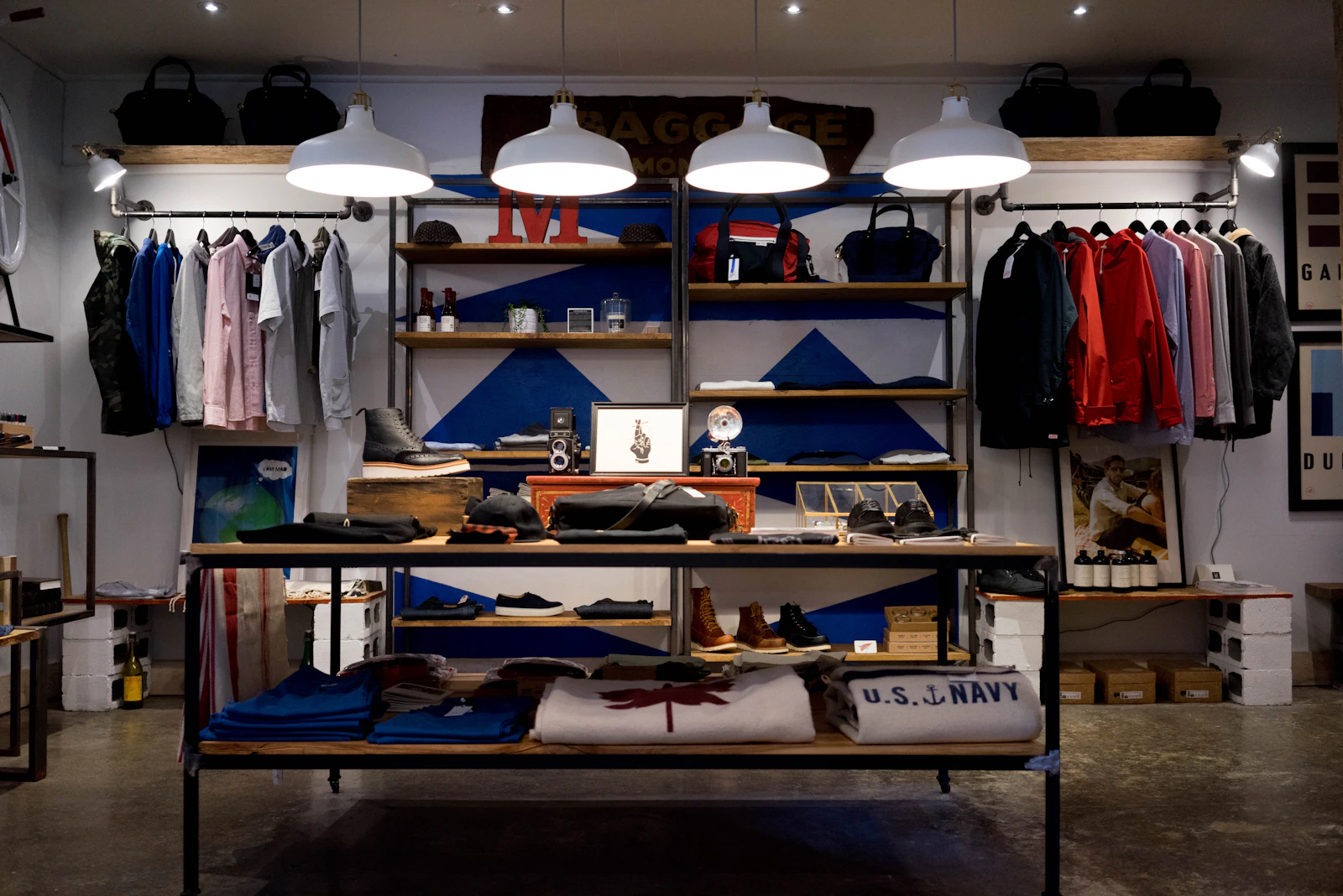
Shoppers are beginning to hand parts of the decision to software: comparing options, checking availability, tracking a price until it falls. The purchase still belongs to the person, but the consideration set is increasingly assembled by something else.
For retailers, this quietly relocates the competition from the moment of browsing to the moment of retrieval.
Merchandising for two audiences
A product page now has to work for a person who responds to photography and copy, and for a system that reads specifications, stock and terms.
Retailers are finding that the second audience is far less forgiving of missing attributes, and that the gaps have been there for years without anyone paying a visible price for them.
Loyalty is harder to hold and more valuable
When comparison is effortless, a habitual choice erodes faster. Loyalty programmes built to reward repeat purchase have to do more work to justify the default.
The retailers holding position tend to compete on something the comparison cannot easily represent: delivery reliability, returns that are genuinely painless, service that resolves things.
The economy is doing its own sorting
Fifty-six percent of consumers globally are worried about their national economy and eight in ten name inflation and rising costs among their top concerns, while forty-one percent of high-income consumers plan to spend more on health and fitness.
Both things are true at once, and a single positioning cannot serve them. Segmentation is doing more work than it has in years.